Seasonal Wildlife Issues Homeowners Should Watch For
Homeowners dealing with seasonal wildlife issues should seek local service providers who can effectively remove animals like raccoons, squirrels, or birds to protect their property.
Homeowners in the area who want to protect their property and peace of mind often find it helpful to stay informed about seasonal wildlife issues homeowners should watch for. As the seasons change, different animals become more active around homes, potentially leading to problems such as property damage, nests in unwanted areas, or unexpected encounters. Understanding these seasonal patterns can help property owners identify early signs of wildlife activity and take practical steps to prevent issues before they escalate. Local contractors experienced in seasonal wildlife removal can provide valuable assistance in addressing these concerns safely and effectively, ensuring that homes remain protected throughout the year.
Exploring seasonal wildlife issues is a practical way for homeowners to stay ahead of potential challenges that come with local wildlife behavior. From birds building nests in gutters to raccoons rummaging through trash, each season presents unique opportunities for animals to seek shelter or food near homes. Recognizing these signs early can make a significant difference in avoiding costly repairs or health concerns. Service providers in the area are equipped to handle wildlife-related problems as they arise, offering solutions that help maintain a safe and comfortable living environment. Keep reading to learn more about what to watch for and how local experts can assist in managing seasonal wildlife issues effectively.
- Bird nesting season - homeowners should watch for signs of active bird nests in eaves and vents, with local contractors safely removing nests and preventing future access.
- Rodent activity in fall - as temperatures drop, rodents seek shelter indoors, and local service providers can identify entry points and install exclusion measures.
- Bat emergence in spring - during bat maternity season, experts can carefully remove colonies and seal entry points to prevent future issues.
- Squirrel activity in late summer - squirrels may cause damage while searching for nesting sites, with local pros inspecting and securing attics and roof areas.
- Wildlife migration in autumn - animals moving through neighborhoods can cause disturbances, and local contractors can help with humane exclusion and habitat modification.
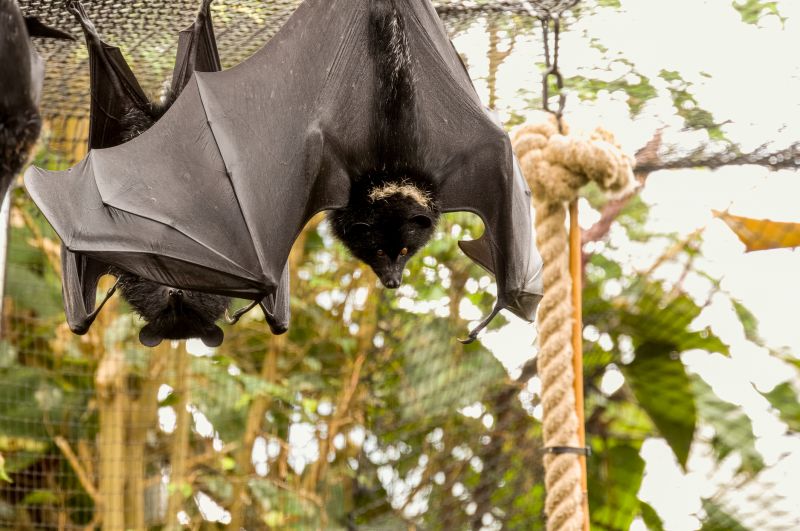
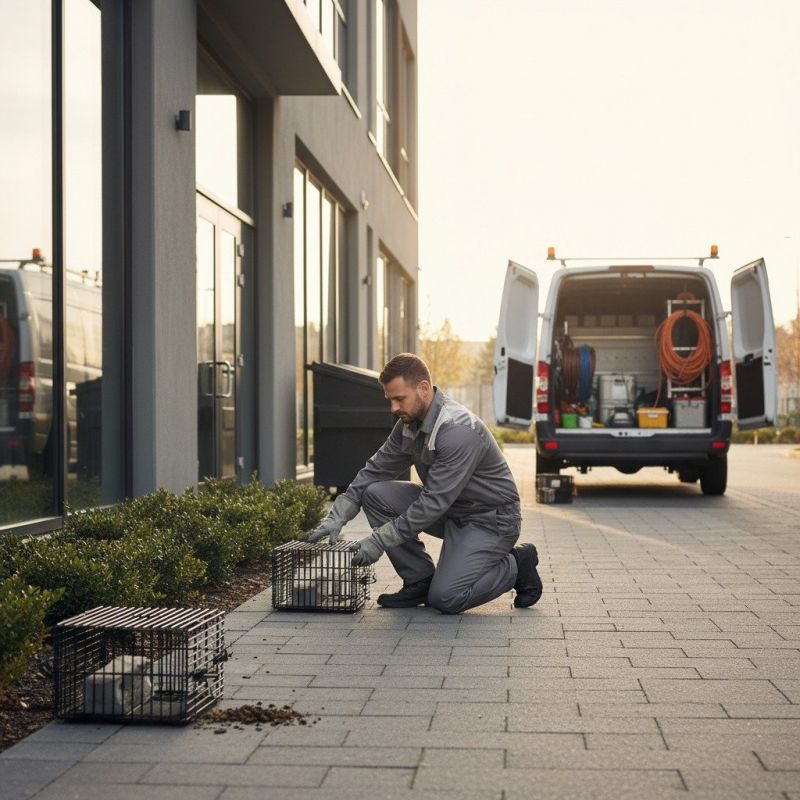
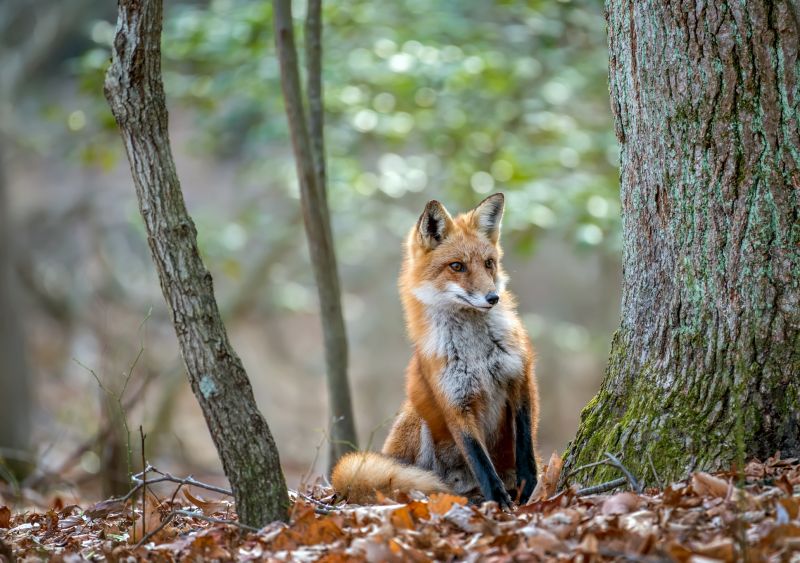
Seasonal wildlife issues homeowners should watch for often relate to animals seeking shelter or food as seasons change. During spring and summer, many creatures such as birds, squirrels, or raccoons become more active, often looking for nesting sites or places to raise their young. Homeowners might notice increased activity around their property, including noises in the attic or signs of animals entering vents, chimneys, or gaps in the exterior. Recognizing these seasonal patterns helps homeowners identify potential problems early, preventing damage to the home and avoiding safety hazards. Local service providers specializing in wildlife removal can assess these situations and implement humane exclusion methods to keep animals out of the home.
In fall and winter, certain wildlife issues tend to shift, with animals like bats, mice, or skunks seeking warmth and shelter inside homes. This behavior can lead to infestations or damage to insulation, wiring, or structural components. Homeowners searching for this topic may be concerned about animals entering through small openings or existing entry points. These seasonal wildlife issues are often linked to property vulnerabilities that need addressing before colder weather sets in. Local contractors experienced in wildlife exclusion can help identify entry points, remove animals safely, and recommend repairs to prevent future invasions during these colder months.
The types of properties most affected by seasonal wildlife issues typically include older homes with less recent updates, homes with extensive landscaping, or properties with gaps or cracks in the foundation and exterior walls. Attics, basements, and chimneys are common targets for animals seeking shelter during various seasons. For homeowners, understanding which parts of their property are most vulnerable can inform proactive measures. Service providers offering seasonal wildlife removal services can evaluate these properties, recommend appropriate exclusion strategies, and help homeowners implement repairs that reduce the risk of recurring issues.
Overall, seasonal wildlife issues homeowners should watch for are closely tied to the natural behaviors of local animals as they adapt to changing weather and resource availability. Recognizing the signs of animal activity and understanding how different seasons influence these behaviors can make a significant difference in preventing property damage and health concerns. Local wildlife removal service providers play a key role in addressing these issues, offering humane removal and exclusion solutions that help protect homes year-round. By staying alert to seasonal patterns and working with experienced pros, homeowners can maintain a safer, more secure property environment.
Bird Control Projects - These projects involve installing bird deterrents and exclusion devices, skills that are useful for preventing wildlife from nesting during seasonal changes.
Attic Insulation and Ventilation - Proper insulation and ventilation work help address issues caused by wildlife intrusion and can be handled by local contractors experienced in home protection.
Gutter Cleaning and Maintenance - Clearing debris in gutters reduces habitat opportunities for wildlife, and professionals can perform these tasks safely and effectively.
Roof Repair and Damage Prevention - Repairing damaged roofing or soffits is essential for preventing seasonal wildlife issues, requiring skilled contractors familiar with wildlife exclusion.
Exclusion and Barrier Installation - Installing barriers or fencing to block wildlife access is a common project that relates directly to seasonal wildlife issues homeowners face.
Wildlife Habitat Removal - Removing nests, debris, or other attractants involves similar planning and tools used in wildlife exclusion efforts by local service providers.

When evaluating service providers for seasonal wildlife removal, it is important to consider their experience with similar projects. Homeowners should inquire about how long a local contractor has been handling wildlife issues specific to the season, as well as their familiarity with common species and the challenges they present. An experienced provider will have a better understanding of the most effective removal techniques and prevention strategies, which can help ensure the job is done thoroughly and efficiently.
Clear written expectations are essential when comparing local contractors. Homeowners should seek detailed descriptions of the scope of work, including what services are included and what are not, to avoid misunderstandings. Well-defined expectations also help in assessing whether a provider’s approach aligns with the homeowner’s needs, especially when it comes to addressing seasonal wildlife issues and preventing future problems.
Reputable references and good communication are key factors in choosing the right service provider. Homeowners are encouraged to ask for references from previous clients who faced similar wildlife concerns, as this can provide insight into the contractor’s reliability and quality of work. Additionally, a contractor’s responsiveness and clarity in communication can make the process smoother, ensuring that homeowners stay informed and comfortable throughout the project.
Property owners often search for seasonal wildlife issues homeowners should watch for when they are planning practical projects around their homes and businesses. Local pros provide Seasonal Wildlife Removal services for everyday jobs and straightforward project options.
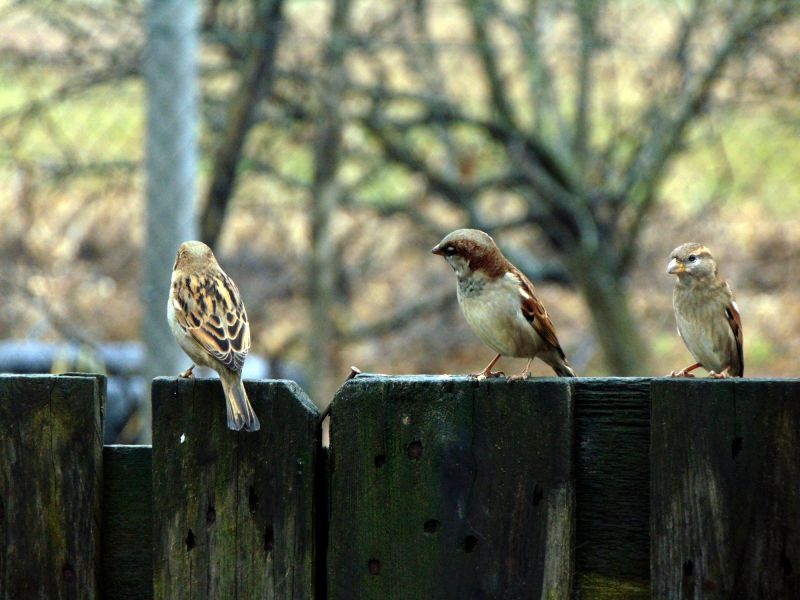
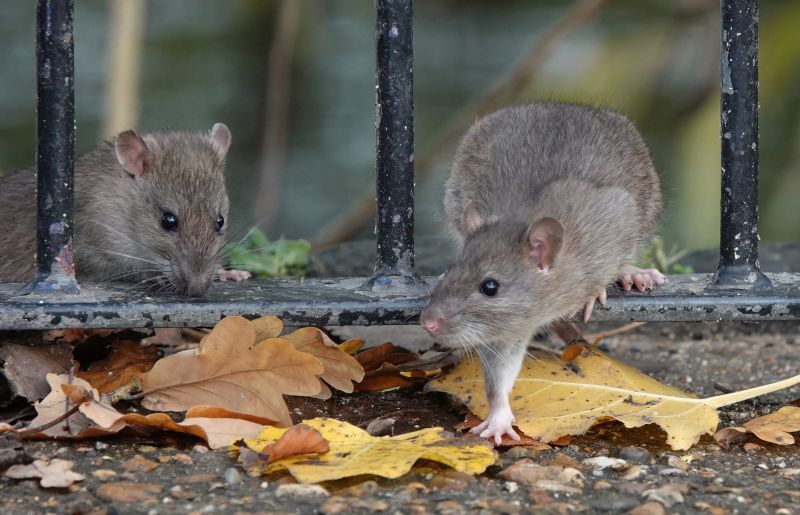
Seasonal wildlife issues homeowners should watch for often become more noticeable as the seasons change. For example, during spring and summer, animals such as birds, raccoons, or squirrels may seek shelter in attics, vents, or crawl spaces, leading to potential damage or health concerns. In fall and winter, homeowners might notice increased activity around their property as animals look for food or migrate, which can result in burrows or nests near foundations. Recognizing these signs early can help property owners prevent costly repairs and health hazards, making it a common reason to explore seasonal wildlife removal services offered by local contractors.
Homeowners in the area may also find themselves dealing with critters like bats or rodents seeking warmth and safety during colder months. These animals can sometimes enter homes through small openings or damaged areas, especially if property maintenance has been neglected. Addressing these issues promptly with the help of local service providers can ensure that animals are removed safely and that entry points are properly sealed. Looking into seasonal wildlife issues can be a practical step for those wanting to protect their homes and avoid more serious infestations, which is why many turn to local contractors experienced in wildlife removal services.
What are common signs of wildlife entering homes during seasonal changes? Homeowners might notice droppings, unusual noises, or damage around vents and eaves, indicating wildlife presence. Local contractors can inspect and address these issues promptly.
Which types of wildlife are most active during specific seasons? Depending on the season, animals like squirrels, raccoons, bats, or birds may become more active around homes. Local pros can identify and safely remove these species.
How can homeowners prevent wildlife from nesting in their attics or walls? Proper sealing of entry points and removing attractants like food sources can help prevent nesting. Local wildlife removal services can assist with effective exclusion methods.
What seasonal factors increase the risk of wildlife-related damage? Changes in temperature and food availability can lead animals to seek shelter in homes, increasing the chance of damage. Local contractors can help mitigate these risks.
When should homeowners seek professional help for wildlife issues during seasonal transitions? If signs of wildlife activity are noticed, especially during peak activity seasons, contacting local wildlife removal experts is recommended to handle the situation safely and effectively.
Inspect and Seal Entry Points - Homeowners can identify and seal gaps around vents, windows, and eaves to prevent wildlife from entering during seasonal migration periods with help from local contractors. Bird and Bat Control Projects - Installing bird netting or bat exclusion devices with the assistance of local pros can reduce nesting issues in attics and eaves when these animals are most active. Remove Food Sources and Shelter - Clearing debris, fallen fruit, and brush piles can discourage wildlife from settling on the property, with guidance from local wildlife removal specialists. Monitor and Maintain Landscaping - Regular trimming of trees and bushes can minimize hiding spots and access points for wildlife, supported by local service providers experienced in seasonal wildlife issues.
If you are thinking about seasonal wildlife issues homeowners should watch for for a property, this guide is meant to help you understand this topic, the typical project types, and how different options might fit your plans.
When you are ready, you can use the quote form on this page to share a few details about your project. From there, local pros can review the basics and follow up with options that match what you have in mind.