Compare Local Contractors for Small Animal Removal Services
Compare local contractors for small animal removal to define scope, verify experience, and set clear expectations in writing for a successful job.
Small animal removal services typically cover the identification, humane trapping, and safe removal of unwanted wildlife such as raccoons, squirrels, bats, or birds that have found their way into residential or commercial properties. These contractors often handle situations where animals have entered attics, garages, walls, or crawl spaces, and may also include sealing entry points to prevent future intrusions. Properly addressing these issues helps protect property integrity and prevents potential damage caused by animals or their droppings, which can sometimes lead to health concerns.
Defining the scope of work is essential when choosing a contractor for small animal removal. Clear communication about what needs to be done ensures that both property owners and service providers have aligned expectations. For example, specifying whether the work involves only trapping and removal or also includes repairs and exclusion measures can influence the approach and the results. Having a written outline of the scope helps avoid misunderstandings, ensures the work addresses the specific problem, and provides a record of what was agreed upon.
Property owners can compare local contractors by evaluating their experience in small animal removal, the methods they use, and the services they include. It’s beneficial to ask for details about their approach to humane trapping, how they handle animal exclusion, and whether they provide any follow-up or guarantees for the work. Checking references or reviews can also provide insight into their reliability and professionalism. By reviewing these factors and requesting written descriptions of the scope and procedures, property owners can make informed decisions and select a contractor that best meets their needs.
Compare local contractors by outlining your priorities, verifying experience, and clearly defining the scope of work.
- Verify Experience - Ensure contractors have relevant experience handling small animal removal safely and effectively.
- Define Scope Clearly - Establish a detailed scope of work to set clear expectations for the removal process.
- Compare Local Contractors - Review and evaluate multiple service providers to find those best suited for the job.
- Get Written Agreements - Confirm all project details, responsibilities, and expectations are documented in writing.
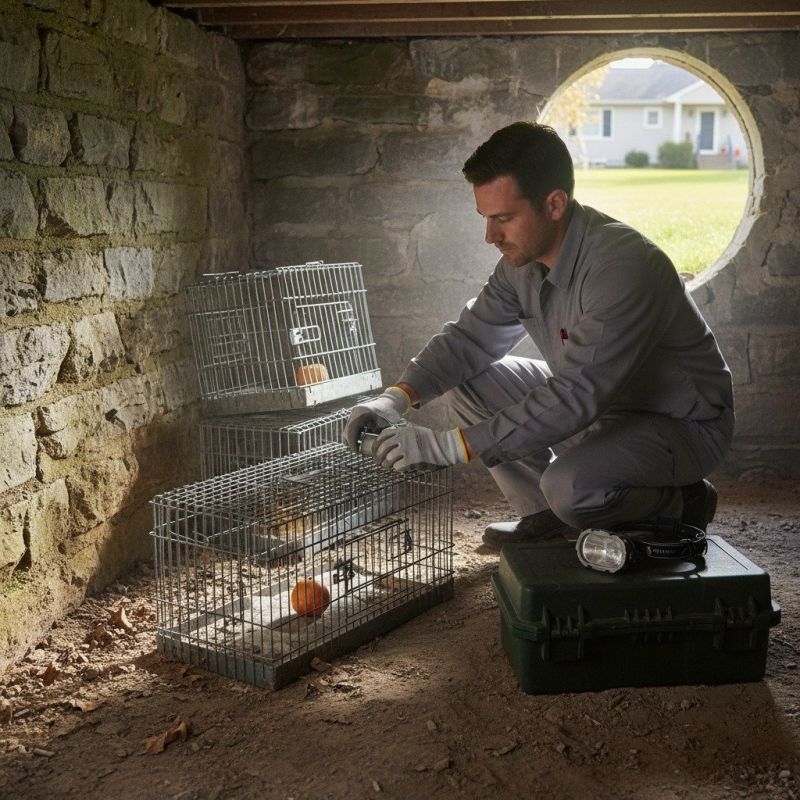
Clearly describe your small animal removal project to help compare local contractors, verify experience, and set expectations in writing.
- Identify the types of small animals the contractor has experience removing. Ensure the scope of work clearly defines the specific animals involved and removal methods.
- Verify that the contractor provides a written estimate outlining the services included and the expected process. Clarify what is covered in the removal to prevent misunderstandings later.
- Check that the contractor discusses the removal process, including how they handle the animals and any damage repairs. Confirm that expectations for the job are communicated clearly in writing.
- Assess the contractor’s experience with small animal removal to ensure familiarity with local wildlife and effective techniques. Look for detailed descriptions of their approach to humane and safe removal practices.
- Determine if the contractor offers guidance on preventing future animal intrusions during the scope of work. Understand what measures will be implemented to reduce the risk of re-infestation.
- Compare multiple service providers to evaluate differences in scope, experience, and written agreements before making a decision. Prioritize clear communication and detailed documentation in the selection process.
Compare local contractors, define project scope clearly, verify experience, and set written expectations.
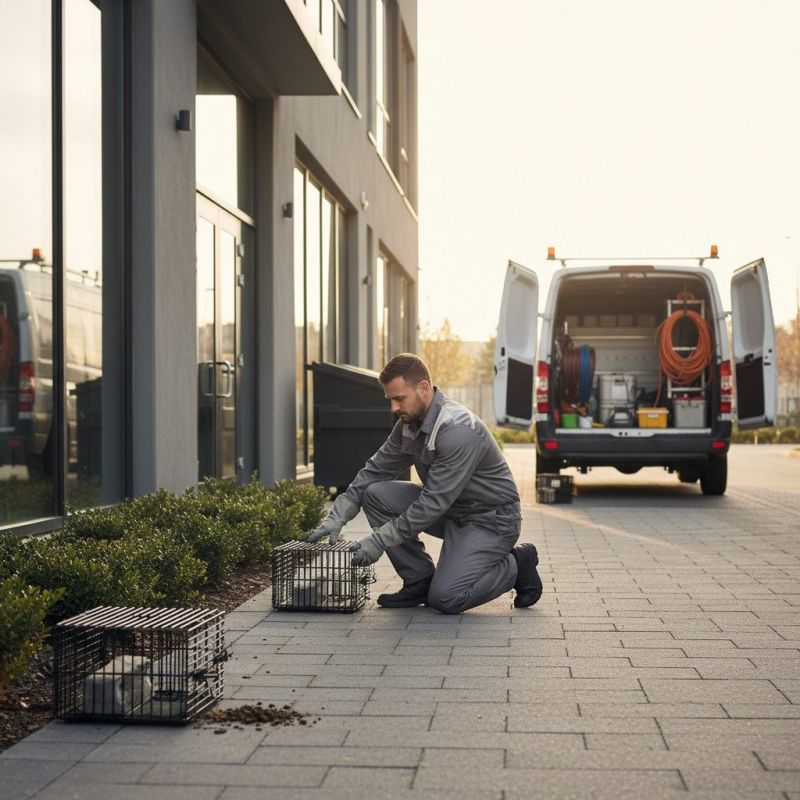
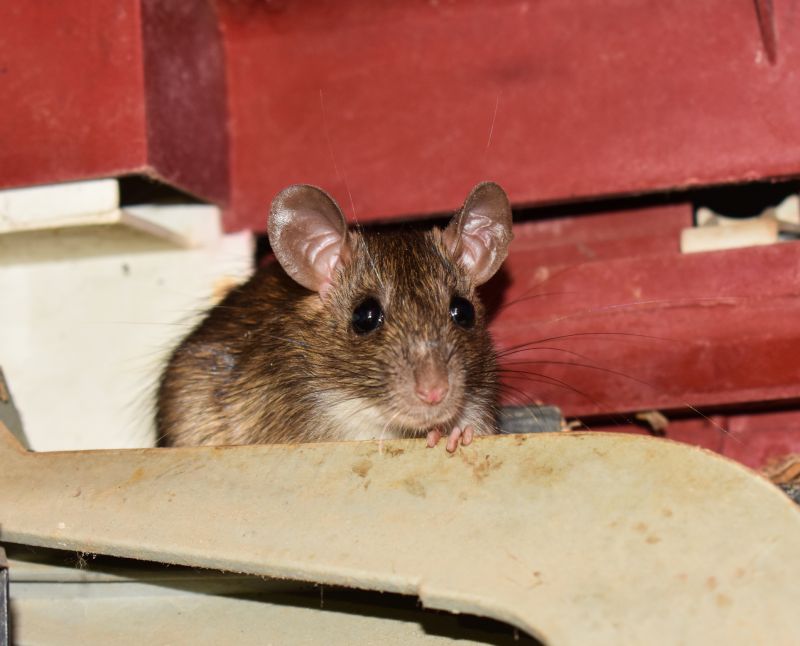
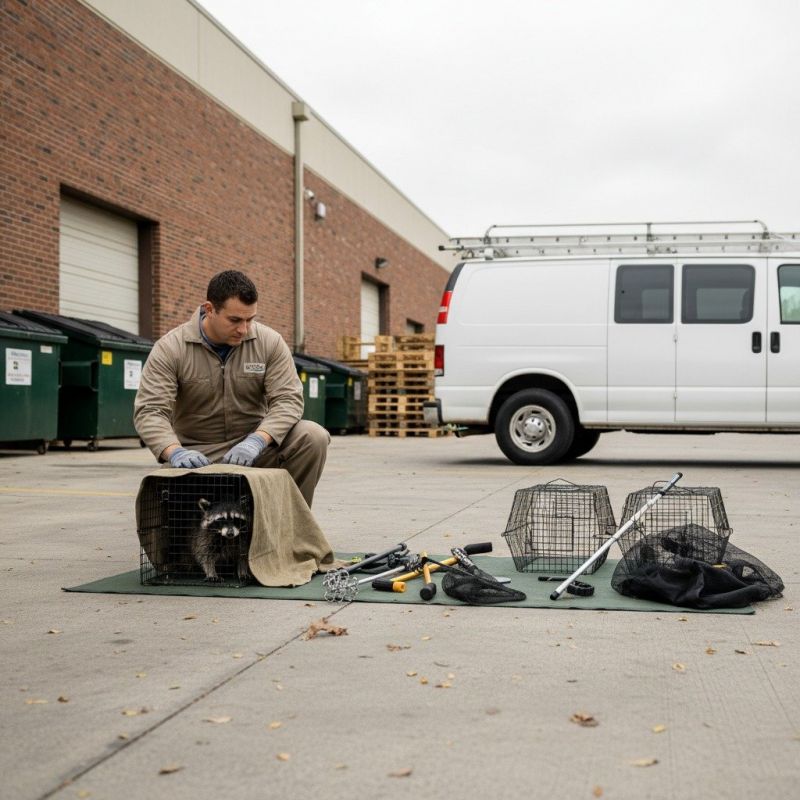
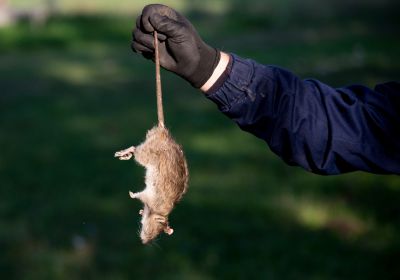
This scope builder helps compare local contractors for small animal removal by defining work, verifying experience, and setting clear expectations.
- Define the scope of small animal removal services needed to ensure clarity on the specific animals and areas involved.
- Identify the experience and expertise of local contractors in handling small animal removal effectively and humanely.
- Establish written agreements outlining the procedures, responsibilities, and expectations for the removal process.
- Determine the methods and equipment that will be used to ensure they align with safety and humane standards.
- Verify the availability of follow-up or prevention services to address potential future issues after removal.
When comparing contractors for Small Animal Removal, it’s important to consider their experience with similar projects. Service providers who have handled a variety of small animal exclusion and removal jobs are more likely to understand the unique challenges involved. Inquire about the types of animals they have worked with and the environments in which they have performed these services. A contractor’s familiarity with different situations can help ensure they have the practical knowledge needed to address specific issues effectively.
A clear, written scope of work is essential when evaluating options. This document should outline the specific tasks the contractor will perform, including inspection procedures, exclusion methods, and any follow-up work. Having a detailed scope helps set expectations and provides a basis for comparing different service providers. It also serves as a reference point to ensure all parties agree on what the project entails before any work begins, reducing potential misunderstandings.
Verification of a contractor’s experience can be supported by requesting references or examples of completed projects similar to your situation. While formal licensing or certification are not the focus here, verifying that a contractor has successfully handled past projects can provide insight into their reliability and skill level. Asking for details about their approach and the outcomes of previous jobs can help gauge their competence and whether they have the practical expertise necessary for your specific needs.
When evaluating options, consider how well each contractor communicates and how thoroughly they define the scope of work in writing. Clear, detailed documentation indicates professionalism and helps ensure that expectations are aligned. It’s also beneficial to ask how they plan to approach the project, what methods they will use, and how they will address potential challenges. Comparing these aspects can help identify service providers who are transparent and methodical, making it easier to select a contractor who can deliver the results you need.
Ask contractors to provide written scope details to ensure clear expectations and consistent project understanding.
- Scope of Services - What specific small animal removal services are included and what are the limits of each contractor's scope?
- Experience and Expertise - How do local contractors demonstrate their experience with different types of small animals and removal techniques?
- Methodology and Techniques - What methods do service providers use to ensure humane and effective removal of small animals?
- Written Agreements - Are the details of the removal process and scope clearly outlined in a written agreement or scope of work?
- Post-Removal Procedures - What follow-up or prevention measures do contractors include to prevent future small animal intrusions?
What should I consider when choosing a contractor for small animal removal? It's important to compare local contractors based on experience, scope of work, and reviews. Ensuring clear communication about the process and expectations can help select a reliable service provider.
How can I verify a contractor's experience with small animal removal? You can ask contractors about their past projects and request references or testimonials. Confirming their familiarity with different types of animals and removal techniques is also helpful.
What questions should I ask to define the scope of work? Inquire about the methods used, areas covered, and any follow-up services included. Clarifying what is and isn't included helps set accurate expectations.
Why is it important to get the scope of work in writing? Having a written agreement ensures both parties understand the tasks, responsibilities, and boundaries of the project, reducing misunderstandings later.
How can I compare different service providers effectively? Review their experience, scope of work, customer feedback, and the clarity of their communication. This helps identify which contractors are best suited for the job.
What should I do before hiring a contractor for small animal removal? Research local contractors, ask about their experience, and ensure all details about the scope and process are documented before making a decision.
This page has provided an overview of how to find reliable contractors for small animal removal. Visitors learned the importance of clearly defining the scope of work, verifying the experience of service providers, and setting expectations in writing to help ensure a smooth process. Comparing local contractors can help identify options that meet specific needs, making it easier to select the right professional for the job.
Using the quote form allows for easy comparison of local service providers who specialize in small animal removal. It’s a practical way to gather information and connect with qualified contractors in the area. Taking the time to evaluate and compare local options helps ensure that the chosen service provider aligns with the project requirements.